If you've ever opened a sales deck and barely recognized your own brand, you are not alone. As companies grow, more people create content. Sales builds its own slides, HR makes recruiting flyers, a regional office designs a banner, and a new hire finds an old logo on a shared drive. Before long the brand looks like it belongs to five different companies.
The fix is rarely a bigger brand guide. It is making the right thing the easy thing.
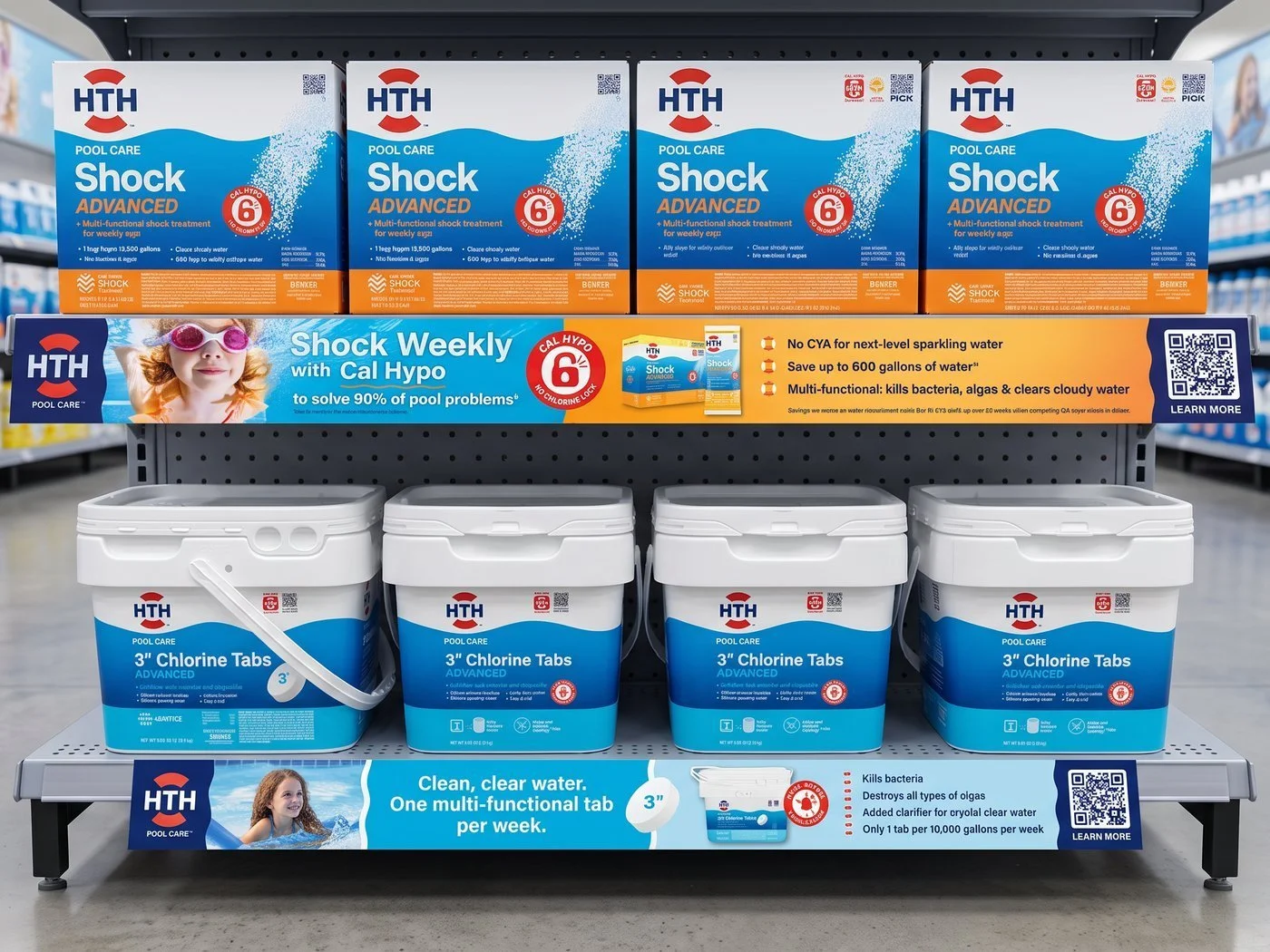
Why brands drift
Brands drift for ordinary reasons. People are busy, deadlines are real and the correct files are hard to find. Most off-brand work isn't careless; it's someone doing their best with what they could reach. So the goal is to change what they can reach.
1. Make the brand guide a working tool
Many brand guides are beautiful PDFs that nobody opens. A working guide is short and practical: the logo files and when to use each one, colors with the codes people actually need, fonts and what to use when the brand font isn't available, and a few real examples of good work. If it takes more than a minute to find an answer, people will guess.
2. Give people templates, not instructions
Templates do more for consistency than any rule. A branded slide master, a one-pager layout, social graphic templates and an email header let non-designers produce something on brand without thinking about it. Start with whatever gets made most often outside the marketing team.
3. Keep one shared place for approved files
Old logos live forever on shared drives. Create one clearly named folder (or a simple asset library in the tool your company already uses) with current logos, templates, photography and approved boilerplate. Then retire the old folders, or at least label them clearly as archived.
4. Have one person review before it goes out
Consistency needs a final set of eyes. For external pieces like sales materials, ads, event graphics and anything with the logo on it, one reviewer catches the small things before they multiply. That person doesn't have to be a designer, but they do need to know the brand well.
5. Refresh the tools once a year
Brands evolve. Once a year, look at what people actually made: which templates got used, which were ignored and where the guide was unclear. Update the tools based on what you find, not on what the guide says should happen.
When outside help makes sense
Building templates and a working guide is a project. Keeping everything consistent month after month is ongoing work. Many in-house teams bring in a creative partner who already knows the brand, so the templates get built properly and someone senior reviews what goes out. I lead that review on every piece we deliver, which keeps the brand steady even when the volume goes up.
If your brand has started to drift, book a call. We can look at where the inconsistency is coming from and what would fix it fastest.
Common questions
How do you keep a brand consistent across departments?
Give people templates for what they make most, keep approved files in one shared place, keep the brand guide short and practical, and have one person review external pieces.
How often should brand templates be updated?
Review them about once a year based on what people actually used, and update whatever was ignored or unclear.